East Texas Timber Town
Welcome to Diboll, an East Texas city built on the Southern Pine Lumber Company, set among the pine forests of Angelina County.
Diboll is a city in southwestern Angelina County, Texas, set among the pine forests of the East Texas timber region. It lies along U.S. Route 59, designated as future Interstate 69, about eleven miles south of Lufkin, the county seat, and roughly 109 miles north of Houston. The city covers about 4.7 square miles. Diboll's history is inseparable from lumber. The Southern Pine Lumber Company was founded in 1893 by the Temple family, and the town grew up around the mill as a true company town. For much of the twentieth century, the company shaped local life, providing employment, housing, and civic institutions, and the Temple name became woven into the town's schools and public life. In 1973 Diboll became the corporate home of the old Southern Pine Lumber Company operations, and the Temple family's enterprises — later consolidated as Temple-Inland — made the city a significant center of the regional timber industry. The Diboll History Center now preserves this legacy through photographs, archives, and exhibits. The 2020 census recorded a population of 4,457, following a peak of 5,470 in 2000. Today the city retains its working-class, timber-oriented character while functioning as a self-sufficient East Texas community with its own school district, parks, and civic amenities. Diboll offers more recreation than its size might suggest, including Old Orchard Park, the Neches Pines Golf Course, and miles of hike-and-bike trails, with the Angelina National Forest and the Neches and Angelina rivers nearby. Its position along the future Interstate 69 corridor keeps it connected to Lufkin and Houston, while the surrounding pine forests give the city a distinctly East Texas setting and identity.
Diboll is located in Angelina County, Texas, in the southwestern part of the county in the pine forests of East Texas. The county seat, Lufkin, lies about eleven miles to the north along U.S. Route 59.
Diboll is known for its timber heritage. The Southern Pine Lumber Company was founded there in 1893, and the town grew up around the mill as a company town. It later became the corporate home of Temple-Inland, and the Diboll History Center preserves that story.
Diboll lies about eleven miles south of Lufkin along U.S. Route 59, which is designated as future Interstate 69. The city of Houston is roughly 109 miles to the south on the same highway corridor.
Students in Diboll attend the Diboll Independent School District, which serves the city and the surrounding area. The district's campuses include H.G. Temple Elementary School, H.G. Temple Intermediate School, Diboll Junior High School, and Diboll High School.
Diboll offers Old Orchard Park, a 66-acre park with ballfields, trails, and playgrounds, along with the Neches Pines Golf Course and the Diboll History Center. The Angelina National Forest and the Neches and Angelina rivers lie nearby for camping, hiking, and fishing.
City Guide
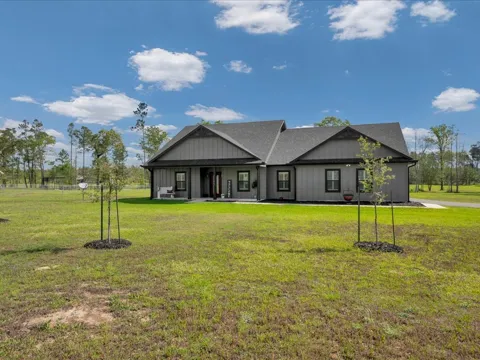
Housing in Diboll reflects its company-town origins and working-class character. The stock consists largely of modest single-family homes, many of them on tree-shaded lots amid the East Texas pines. Older homes near the former mill and along the U.S. 59 corridor coexist with newer construction on the city's edges. Lots tend to be comfortable rather than large, and the city's affordability relative to larger Texas markets is a recurring theme. The overall character is practical and unpretentious, rooted in a century of timber employment rather than large-scale suburban development, with the surrounding forests shaping many residential settings.
Diboll is a compact city organized around the U.S. Route 59 corridor and the legacy of the lumber mill that founded it. Rather than a patchwork of distinct master-planned subdivisions, the city is a collection of established residential streets that grew outward from the mill and the town center, with newer homes on the periphery. The character is fairly cohesive and unpretentious, with neighborhoods shaded by the surrounding pine forest. Lufkin, the larger county seat to the north, provides a broader range of neighborhoods and amenities, while Diboll's own residential areas retain the close-knit, tree-lined feel of a timber town.
Diboll's identity is inseparable from timber. The town grew up around the Southern Pine Lumber Company and long functioned as a company town, a heritage still visible in its civic institutions and community spirit. The Diboll History Center preserves the town's lumbering past, while the public library and local festivals anchor a modest cultural scene. Residents describe a working-class, family-oriented community where the forest and the mill remain part of daily conversation. Proximity to Lufkin adds shopping, dining, and entertainment options, while the surrounding national forest keeps outdoor life close at hand. It is a proud, down-to-earth East Texas city.
Diboll is served by the Diboll Independent School District, a community school district in Angelina County. The district operates several campuses, including H.G. Temple Elementary School, H.G. Temple Intermediate School, Diboll Junior High School, and Diboll High School, and enrolls roughly 1,600 students. The Temple school name reflects the lumber family that built the town. The district's scale supports a close-knit educational environment, with students progressing through local campuses from elementary through high school. For higher education, Lufkin and the broader East Texas region offer community college and university options a short drive away.
Diboll sits directly on U.S. Route 59, which is being developed as part of the future Interstate 69 corridor through East Texas. The highway links the city eleven miles north to Lufkin, the Angelina County seat, and about 109 miles south to Houston, making Diboll accessible to both regional employment and metropolitan amenities. The former timber industry relied on rail, and the town's layout still reflects its railroad origins, but modern transportation is highway-based. Lufkin provides the nearest regional airport and additional transit connections, while the U.S. 59 corridor anchors the city's position in the East Texas economy.
Diboll is well supplied with recreation for a city of its size. Old Orchard Park spreads across sixty-six acres of tall pines, offering baseball fields, basketball and picnic pavilions, volleyball and tennis courts, walking and bike trails, a splash pad, and playgrounds. The Neches Pines Golf Course serves golfers, and the city maintains miles of scenic hike-and-bike trails. The Diboll History Center and the public library anchor the cultural side of community life. Beyond the city, the Angelina National Forest offers camping and hiking, while the nearby Neches and Angelina rivers draw anglers, including during the popular sand bass runs.
MARKET SNAPSHOT
How homes have been selling here over the last 90 days.
Market data reflects closed sales over the last 90 days and is provided for informational purposes.
For sale
Handpicked properties hitting the scene in your area.
For sale
Handpicked properties hitting the scene in your area.
For sale
Handpicked properties hitting the scene in your area.
BROWSE BY ZIP
Browse listings by postal code in this area.
100 Lexington St, Ste #310 Fort Worth, TX 76102